

Study in the USA
Your comprehensive guide to American higher education—from choosing the right university to understanding costs and securing scholarships.
Why Study in the USA?
The United States offers unparalleled educational opportunities for international students
seeking world-class education and career growth.
World Class Universities
Access to over 4,500 accredited institutions including Ivy League and top research universities.
Global Exposure
Join a diverse community of 1+ million international students from over 200 countries.
OPT / CPT Work Options
CPT, OPT, and H-1B pathways allow you to gain valuable work experience during and after studies.
Scholarships & Funding
Merit-based scholarships, assistantships, and financial aid for international students.
US Education System
Understanding the structure of American higher education degrees.
Associate Degree
2 years • 60 credits
Graduate degree with advanced specialization, often including thesis or capstone project.
Bachelor's Degree
4 years • 120 credits
Graduate degree with advanced specialization, often including thesis or capstone project.
Master's Degree
1-2 years • 30-60 credits
Graduate degree with advanced specialization, often including thesis or capstone project.
Doctoral Degree (PhD)
4-7 years • 60+ credits
Highest academic degree involving original research and dissertation.
Credit Hours System
US universities use credit hours to measure course workload. One credit hour typically represents one hour of classroom instruction per week over a semester.
- Full-time: 12-18 credits per semester
- Most courses: 3-4 credits each
GPA System
Graduate degree with advanced specialization, often including thesis or capstone project.
A 4.0
A 4.0
A 4.0
A 4.0
Types of Universities
The US offers diverse institution types to match every student’s needs.
Public Universities
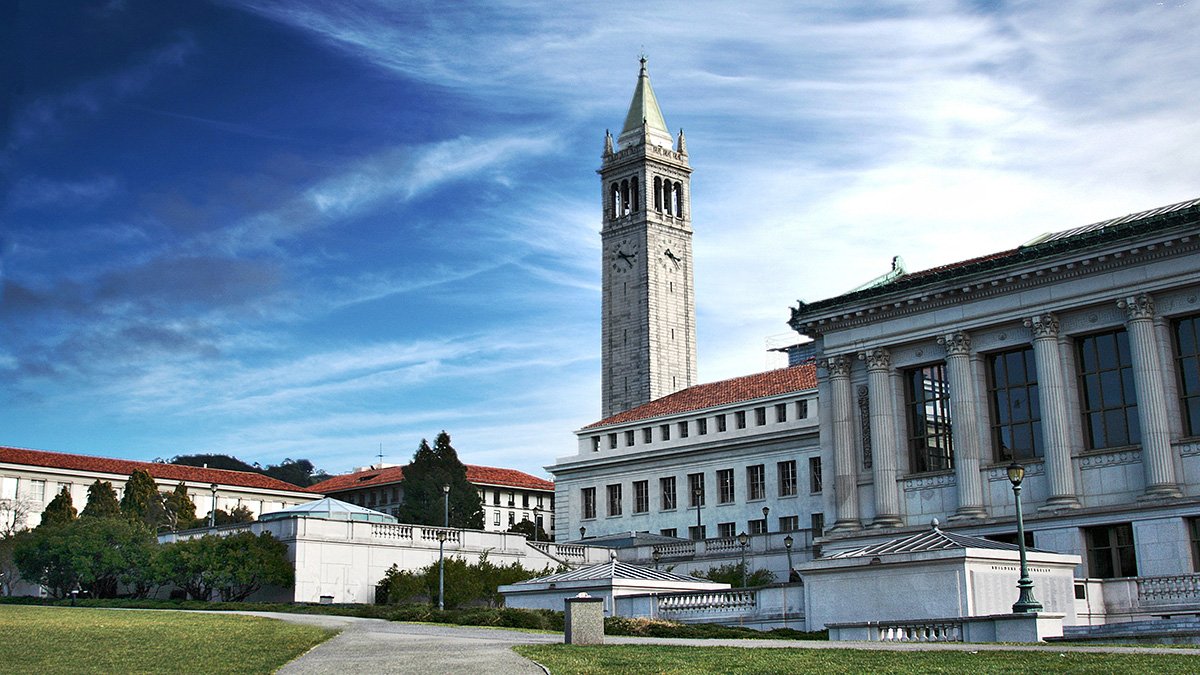
Public Universities
State-funded institutions offering quality education at lower tuition for in-state residents.
Examples: UC Berkeley, University of Michigan, UCLA
Public Universities
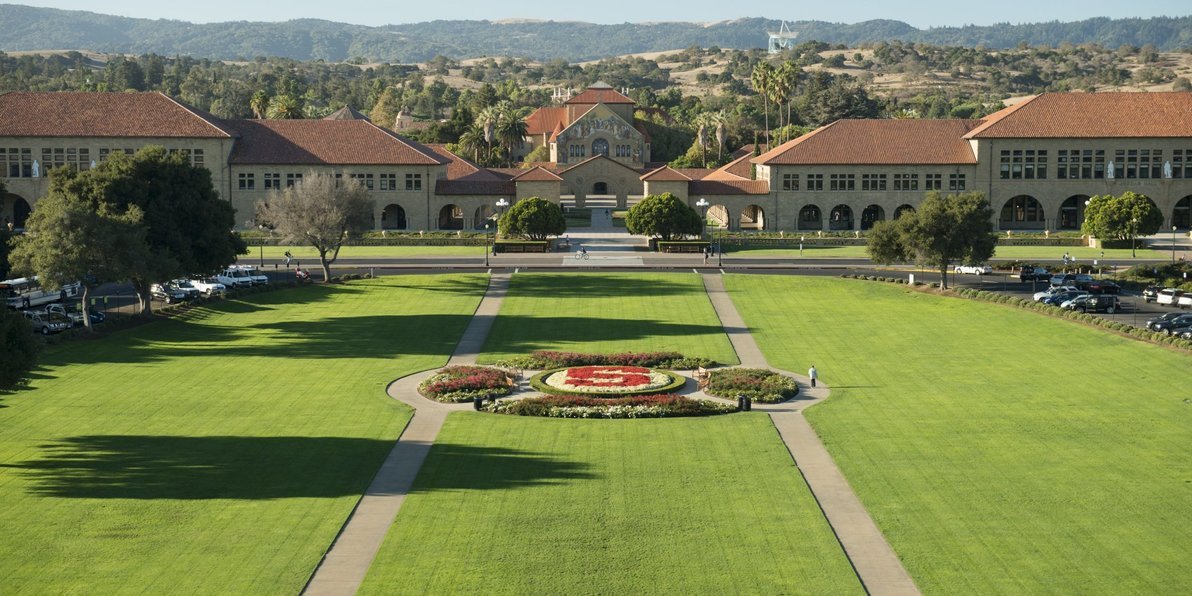
Private Universities
Independently funded with often smaller class sizes and generous financial aid.
Examples: Harvard University , Stanford University , Massachusetts Institue of Technology (MIT)
Public Universities
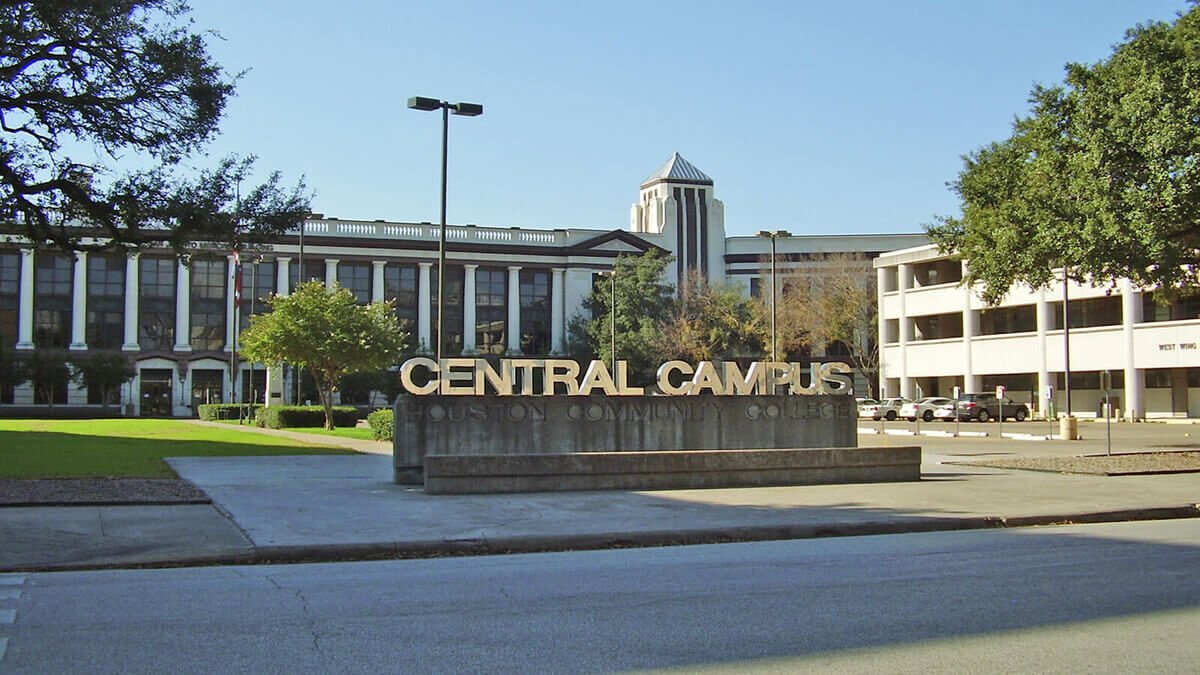
Community Colleges
Two-year institutions offering associate degrees and transfer pathways to universities.
Examples: Santa Monica College (California), De Anza College (California),Houston Community College (Texas)
Public Universities
Liberal Arts Colleges
Focus on undergraduate education with emphasis on broad intellectual development.
Examples: Williams College, Amherst College, Swarthmore College
Private Universities
Independently funded with often smaller class sizes and generous financial aid.
Community Colleges
Two-year institutions offering associate degrees and transfer pathways to universities.
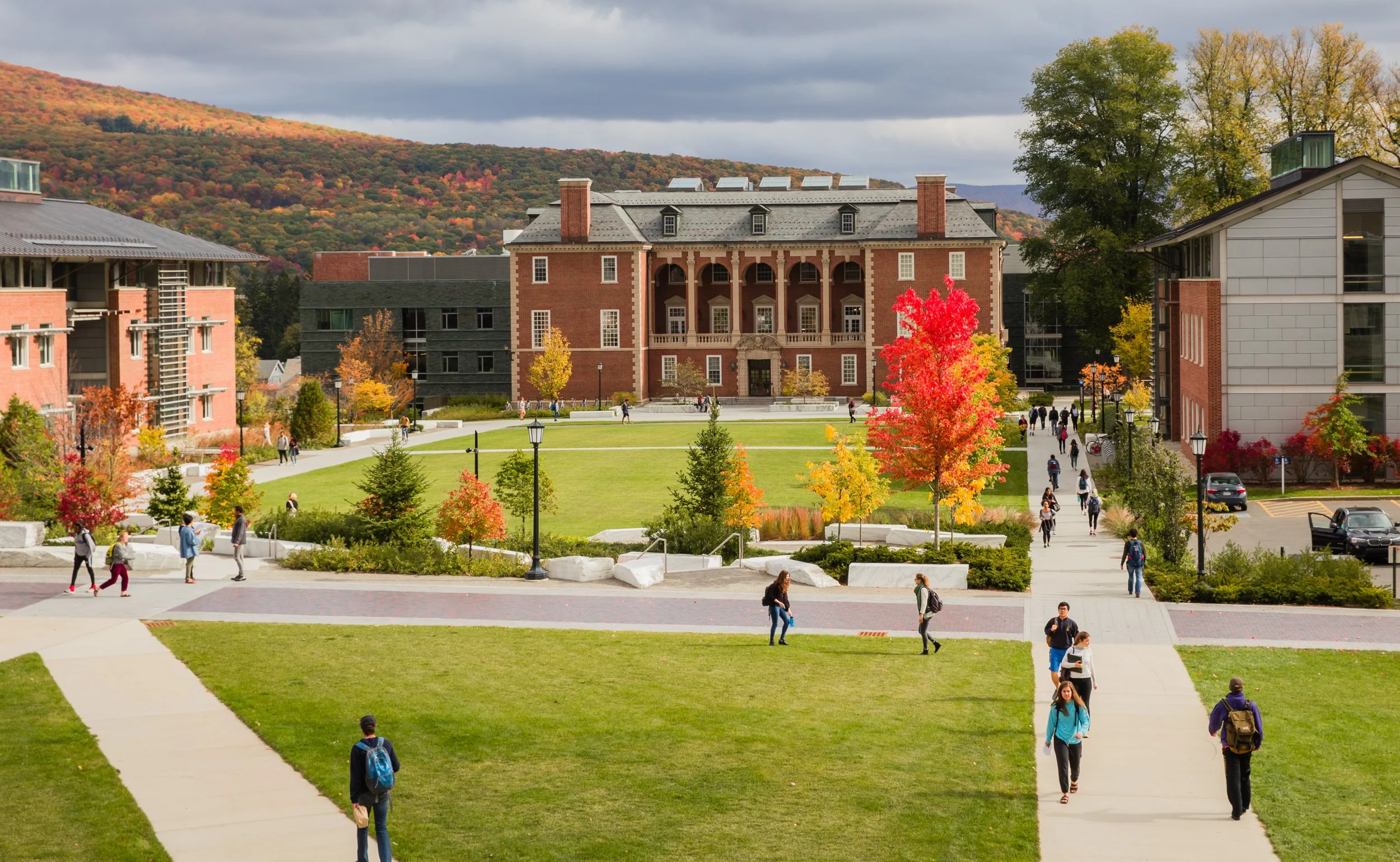
Liberal Arts Colleges
Focus on undergraduate education with emphasis on broad intellectual development.
Cost of Study & Living
Understanding the financial investment for studying in the USA.
$
Public University Tuition
$20,000 – $40,000/year
$
Private University Tuition
$10,000 – $20,000/year
$
Livibng expenses
$500 – $1000/month
On-Campus Housing
- Convenient location near classes
- Meal plans often included
- Great for first-year students
Off-Campus Housing
- More independence and privacy
- Often more affordable
- Roommate options to share costs
US Education System
Understanding the structure of American higher education degrees.
Merit-Based Scholarships
Awarded based on academic achievement, test scores, and extracurricular activities.
Up to 100% tuition
Need-Based Financial Aid
Granted based on family financial situation to make education affordable.
Varies by institution
Graduate Assistantships
Work as teaching or research assistant in exchange for tuition waiver and stipend.
Full tuition + $15,000-30,000 stipend
External Scholarships
Scholarships from governments, foundations, and organizations like Fulbright.
Varies widely